The Truth About Moses, the Rock, and the Water | Answering the Atheist

Inquiry:
How did Moses get water out of the rock? Did he strike the rock (Exodus 17:5-6) or was he to talk to it (Numbers 20:7-8)? Is there a contradiction?
How did Moses get water out of the rock? Did he strike the rock (Exodus 17:5-6) or was he to talk to it (Numbers 20:7-8)? Is there a contradiction?

It seems too soon for another federal election, and yet tomorrow, voters across Canada will select our fourth government in the past 10 years. I’ve had a call from one candidate’s office, and a representative from another stop by, and enough political literature show up in my mailbox to kindle a fire. What should a Christian do when it comes to an election? Is it voting OK for a Christian or is it wrong? What does the Bible reveal?
Is it OK to test (or tempt) God? Deuteronomy 6:16; Matthew 4:7; and Luke 4:12 reveal that we should not test God, but Judges 6:36-40, 1 Kings 18:36-38, and 2 Kings 29:8-11 all show that it is OK to test God. Is there a contradiction?
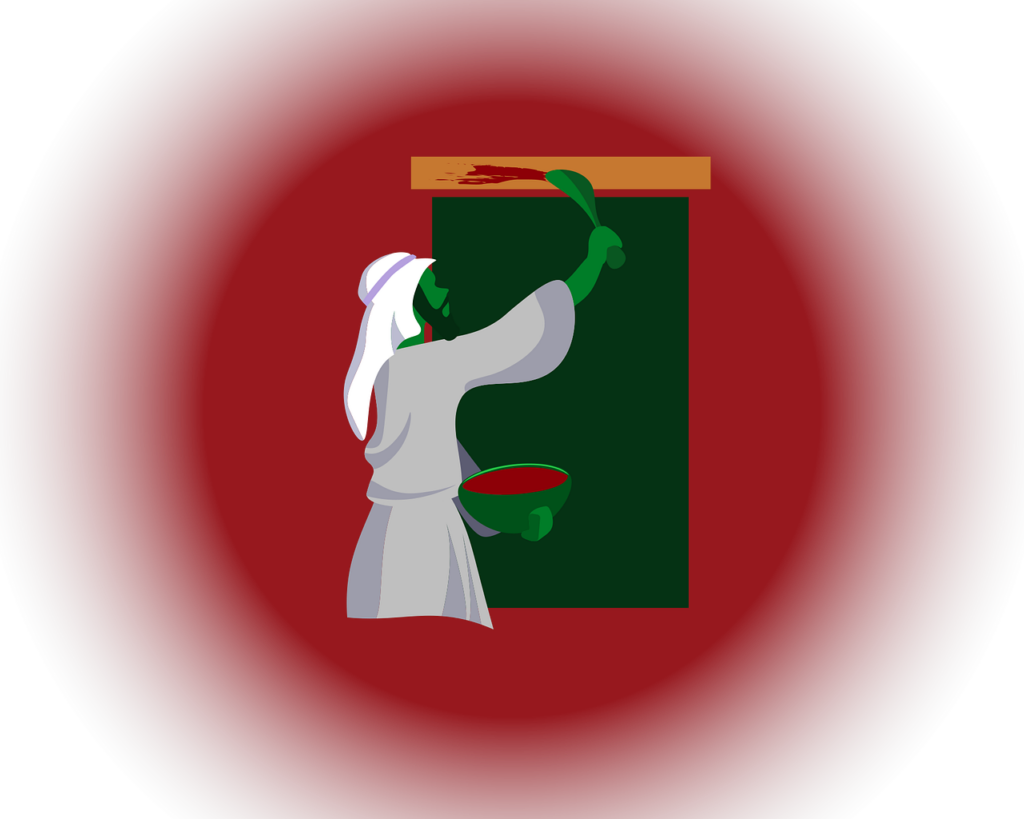
To some Easter weekend is a time for painted eggs, chocolate bunnies, and fine meals with family. For others, the weekend is a time to remember the death, burial and resurrection of Jesus Christ, linked with the Passover.
I can’t say anyone has ever asked me if I’m hosting an Easter egg hunt, but I have been asked almost every year about our services for Good Friday and Easter Sunday. I am not into painted eggs and chocolate bunnies, nor am I into observing religious holidays which the Bible says nothing about.
Where did Moses get water from a rock? Was it in the wilderness of sin in Rephidim (Exodus 17:1-7) or was it in the desert of Zin in Kadesh (Numbers 20:1-8; 27:14; Deuteronomy 32:51)? Is there a contradiction?

Nehemiah was vital to the rebuilding of Jerusalem after the Babylonian captivity had ended. He gained permission from Artaxerxes to go to Judah (Nehemiah 2:5-6) to lead the people. Through several challenges Nehemiah led the people as they repaired the wall of Jerusalem and completed the project in just 52 days (Nehemiah 6:15).
Nehemiah gathered the people together to register them by their genealogies (Nehemiah 7:5-73), and served as their governor (Nehemiah 10:1). He, along with Ezra sought to lead the people in the ways of God as given in the law of Moses (Nehemiah 8:1-8).
After things were settled in Jerusalem, Nehemiah went back to Artaxerxes in Babylon for a time (Nehemiah 13:6). Upon his return, there were some problems that required his attention.
Does God forgive sins? 2 Chronicles 7:14, Jeremiah 31:34, and 1 John 1:9 says yes, but Joshua 24:19 says no. Is there a contradiction?

Predictions of the end of the world are not new. In fact, in the 1st century, some boldly affirmed that the Lord had already returned (2 Timothy 2:17-18). Some in today’s religious world still hold to this doctrine (Preterism), teaching that everything the Bible says about the end has already happened. So, is this heaven or is it hell?
The Bible reveals that the end could come at any time; there are no Bible prophecies which remain undone, save the return of Christ for the judgment of all souls, then comes eternity. Writing to the Thessalonians, Paul armed them with the mind that the Lord could return at any time (1 Thessalonians 4:15-17; 5:1-6). Paul did not teach them (nor did any other Bible writer) about a rapture, tribulation and millennial reign as is commonly taught today. The Bible says the Lord will return, but we do not and cannot know when He will return. There are no signs (Matthew 24:43-44; 25:13; 2 Peter 3:10).
Is God’s will always done in heaven? Matthew 6:10 says yes, but Revelation 12:7 says no. Is there a contradiction?
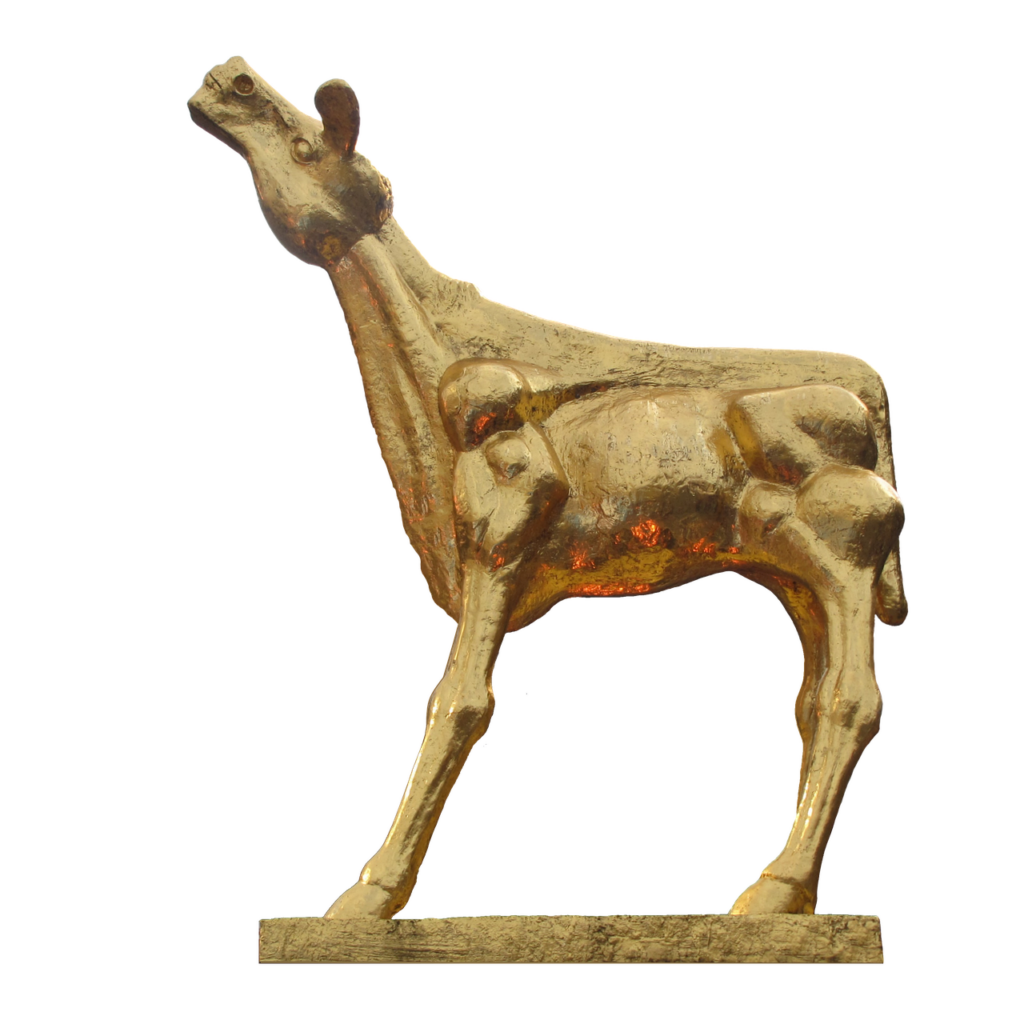
Three months after leaving Egypt, the Hebrews came to Mount Sinai, where God would give His law to them. He spoke to all the people from the top of Mount Sinai, revealing His covenant with Israel. Then, He called Moses to come up Sinai, so He might give him the tablets of stone on which the law would be written (Exodus 24:12). The next several chapters reveal details of the law of Moses.
Moses would be with the Lord on the top of Sinai for 40 days. No sooner had God finished revealing & recording His law (Exodus 31:18) than trouble began in the camp. The Lord commanded Moses,
Go, get down! For your people whom you brought out of the land of Egypt have corrupted themselves. They have turned aside quickly out of the way which I commanded them. They have made themselves a molded calf, and worshiped it and sacrificed to it, and said, ‘This is your god, O Israel, that brought you out of the land of Egypt!’ (Exodus 32:7-8)