
Joshua and the 12 Jordan Stones | Answering the Atheist

Inquiry:
Did Joshua remove the twelve stones from the Jordan River? Joshua 4:20 says that he took them to Gilgal, but Joshua 4:9 says they are still there. Is there a contradiction?
Did Joshua remove the twelve stones from the Jordan River? Joshua 4:20 says that he took them to Gilgal, but Joshua 4:9 says they are still there. Is there a contradiction?

As we look at the Psalms of David, certainly we see an element of praise to God in all of them. But in particular, the last five Psalms (146-150) emphasize the praises of God. In the 59 verses of these Psalms, the word “praise” appears 43 times. Needless to say, these are Psalms of praise!
Psalm 148 is of particular interest, for it is the basis one of my favourite hymns, “Hallelujah, Praise Jehovah,” the 1899 work of William J. Kirkpatrick.
The Psalm naturally divides into two sections, verses 1-6, praises to God from the heavens; and verses 7-14, praises to God from the earth. The Psalmist very emphatically reveals that everyone and everything should give praise to God. Let’s consider the Psalm today.
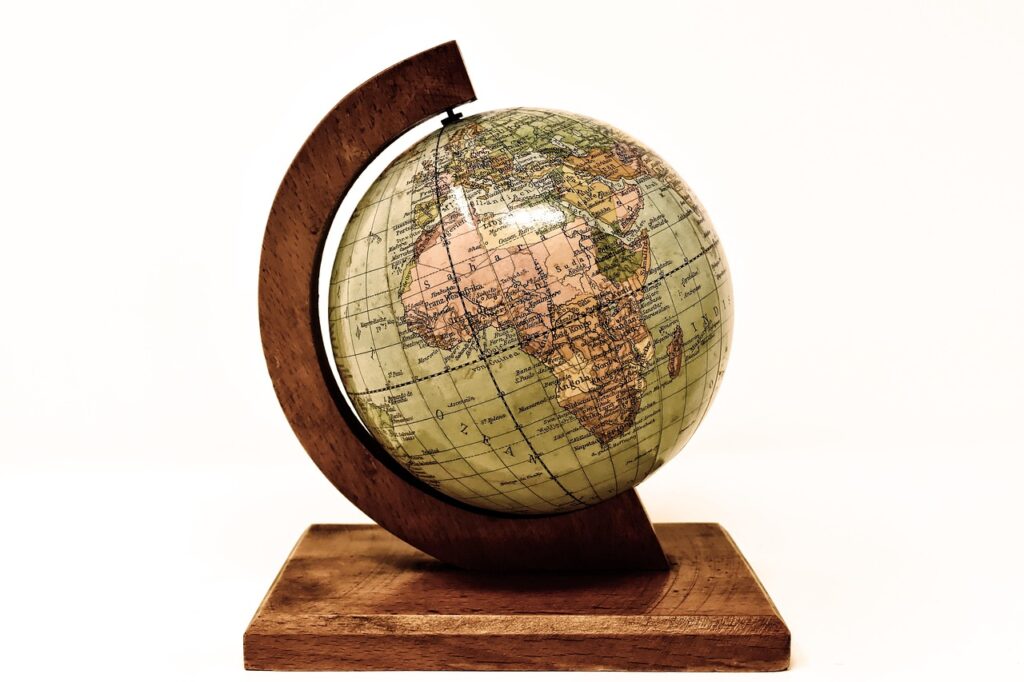
As we read the first chapter of Paul’s letter to the church at Colosse, there are some interesting things to note about His work to preach the gospel to the lost. In looking at just a few verses from the letter, we can learn a great deal about our responsibility to share our faith with others, and of the extent to which God’s people can affect the world, if we would do as God commands.
The extent of the work of the early church as recorded in Colossians 1:23 is simply wonderful! Paul wrote:
…if indeed you continue in the faith, grounded and steadfast, and are not moved away from the hope of the gospel which you heard, which was preached to every creature under heaven, of which I, Paul, became a minister. (Colossians 1:23)
Who were the sons of Heman? 1 Chronicles 25:4 lists fourteen sons. 2 Chronicles 29:14 lists two sons, neither of them from the list in the previously mentioned text. Is there a contradiction?

Jesus spoke with a crowd of religious leaders about who their father is. They tried to associate themselves with the patriarch Abraham, but Jesus said,
If you were Abraham’s children, you would do the works of Abraham. (John 8:39)
Their claim to Abraham was based upon physical lineage, not obedience to God’s will. Jesus then affirmed, “You do the deeds of your father.” Whether they knew yet what He meant by this statement, we do not know, but they retorted,
We were not born of fornication; we have one Father – God.(John 8:41)
What was the payment from Solomon to Hiram? Was it “wheat and oil” (1 Kings 5:11) or “wheat, barley, wine and oil” (2 Chronicles 2:10)? Is there a contradiction?

One of the most common greetings this time of year is “Happy New Year!” This sentiment has been shared from home to home through greeting cards, telephone messages, facebook and e-mail posts, etc.. Complete strangers passing each other by at the door of the bank or the grocery story will wish one another a “Happy New Year!” How great would it be if this same measure of friendliness were present the whole year round!
A few nights ago, a variety of New Year celebrations took place across the globe: the annual ball drop in Time Square, fireworks displays in China, local media sponsored concerts, etc.. We enjoyed a night of games, treats and a pre-midnight devotional with fellow Christians – a great way to begin a new year!
Was Solomon David’s second (2 Samuel 12:15, 24) or fourth (1 Chronicles 3:5) son by Bathsheba? Is there a contradiction?
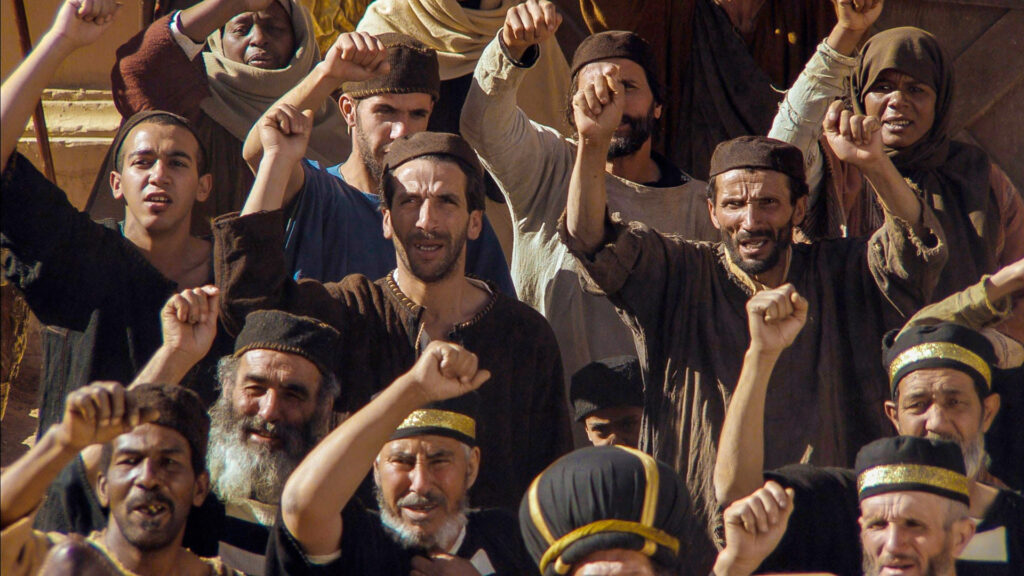
With an angry mob of Jews intent on seeing Jesus’ dead, Pilate succumbed to the will of the people and ordered His crucifixion. But before he did so, he washed his hands with water, declaring to the crowd, “I am innocent of the blood of this just Person.”
That suited the people just fine. They retorted,
His blood be on us and on our children.(Matthew 27:25)
Who brought Joseph into Egypt? Was it the Midianites (Genesis 37:36) or the Ishmaelites (Genesis 37:28; 39:1)? Is there a contradiction?