What is the punishment for Sabbath breaking? | Answering the Atheist
Inquiry:

How should Sabbath-breakers be punished? Should they be exiled (Exodus 31:14), or killed (Exodus 31:14; 31:15; 35:2; Numbers 15:32-36)? Is there a contradiction?
How should Sabbath-breakers be punished? Should they be exiled (Exodus 31:14), or killed (Exodus 31:14; 31:15; 35:2; Numbers 15:32-36)? Is there a contradiction?
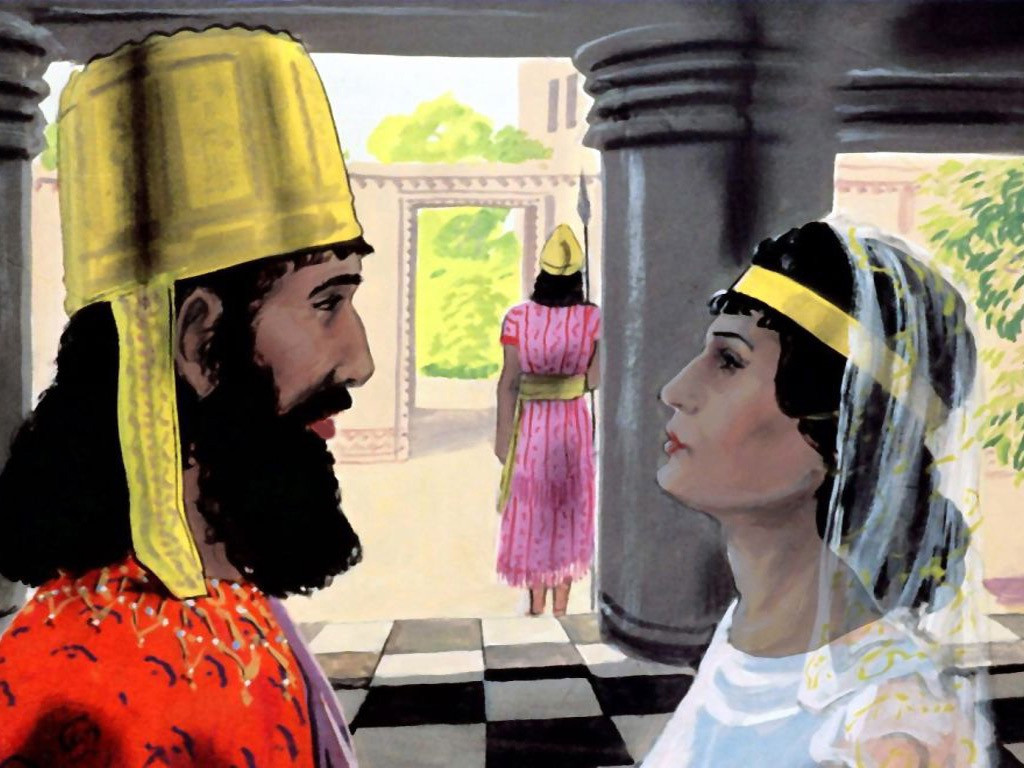
The Old Testament book of Esther records events which were in the days of the Persian empire. The book begins with details about Queen Vashti failing to heed the voice of king Ahasuerus when he called her to his presence. Her disrespect resulted in her being put away (1:19) and the king sought another wife for himself.
Women from throughout the region were taken to the palace and prepared to come before the king. Among them was Esther, the neice of Jewish man by the name of Mordecai.

Rain, rain go away,
Come again another day,
Billy wants to go out to play.
I’m sure many of us sang this cute little ditty as a child when the rain kept us from going outside to play. The weather has an impact on our lives each day. Weather determines what we will wear. It will affect whether an event is able to go on as planned or needs to be postponed. Changes in both mental (mood) and physical (ie. Arthritis) health can be attributed to the weather. Let’s consider some things found in the Bible with regard to weather.
Is it necessary to keep the Sabbath? Some verses say yes (Exodus 16:29; 20:8; 31:13-15; 34:21; 35:2; Leviticus 19:3, 30; 23:3; Numbers 15;32, 36; Deuteronomy 5:12; Isaiah 56:2), but others say no (Isaiah 1:13; Matthew 12:2; John 5:16; Romans 14:5; Colossians 2:16). Is there a contradiction?

When studying any Bible book, it is important to note the key words in the book. Such words help to identify important themes and teachings in a text. For instance, the phrase “we know” stands out in John’s first epistle (1 John 2:3, 4, 5, 11, 18, 20, 21, 29; 3:1, 2, 5, 14, 15, 16, 19, 24; 4:2, 6, 8, 13; 5:2, 13, 15, 18, 19, 20). It is obvious that John wants us to focus on what we may know about a variety of topics for our good and God’s glory.
Does righteousness come from following the Law? Luke 1:6 says that Zecharias and Elizabeth were righteous because they followed all of God’s commandments, but Galatians 2:21 indicates that righteousness does not come from the Law. Is there a contradiction?
In the midst of what is commonly referred to as the sermon on the mount, Jesus gave His disciples an example of prayer. He began,
…Our Father in heaven, hallowed be Your name. Your kingdom come. Your will be done on earth as it is in heaven… (Matthew 6:9-10)
It is worth noting that we cannot include the words “Your kingdom come” in our prayers today. The Lord’s kingdom has come (Mark 9:1; Colossians 1:13; 4:11; Revelation 1:9). Those who mindlessly recite “the Lord’s prayer” sadly deny that Christ is reigning in His kingdom today. He is King of kings and Lord of lords (1 Timothy 6:15; Revelation 17:14; 19:16) and presently rules in the midst of His enemies (Psalm 110:2).
Which Jehoram began to reign first? 2 Kings 8:16 says Jehoram of Judah began to reign in the 5th year of Joram, king of Israel. 2 Kings 1:17 says Jehoram of Israel began to reign in the 2nd year of Jehoram, king of Judah. Is there a contradiction?

Naomi told Ruth that Boaz would give his attention to her request right away. That very day, Boaz had the close relative sit down with him and the elders of the city at the gate. He spoke of Naomi’s return from Moab, and need for the land belonging to Eli-melech to be redeemed. He was interested, until Boaz said,
On the day you buy the field from the hand of Naomi, you must also buy it from Ruth the Moabitess, the wife of the dead, to perpetuate the name of the dead through his inheritance. (Ruth 4:5)
Has there ever been a righteous person? Some texts say no (Job 15:14; Isaiah 41:26; 64:6; Romans 3:10), but others say yes (Genesis 7:1; 2 Samuel 22:25; Job 2:3; Psalm 1:5-6; Ecclesiastes 9:1; Ezekiel 14:14-20; Matthew 5:20; 13:17; 23:35, 46; Luke 1:6; Hebrews 11:4; James 5?18; 2 Peter 2:5, 7-8). Is there a contradiction?